

How to Cultivate Arugula: A Complete Beginner's Growing Guide
If you've ever bitten into a fresh salad and noticed that bold, slightly peppery flavour that makes everything taste more alive — there's a good chance you were tasting arugula. This fast-growing, nutritious leafy green has found a permanent place in kitchens around the world, and for good reason. It's delicious, packed with nutrients, and — as you're about to discover — remarkably easy to grow.
Whether you have a sprawling backyard, a small raised bed, a balcony with a few pots, or even just a sunny windowsill, arugula fits into almost any growing space. It grows quickly, tolerates cooler weather better than most salad greens, and can be ready to eat in as little as four weeks from sowing. That's a satisfying turnaround for any gardener, beginner or otherwise.
In this guide, we'll walk through everything you need to know to grow arugula successfully — from understanding the plant, to preparing your soil, to solving the problems that sometimes come up along the way. Let's get started.
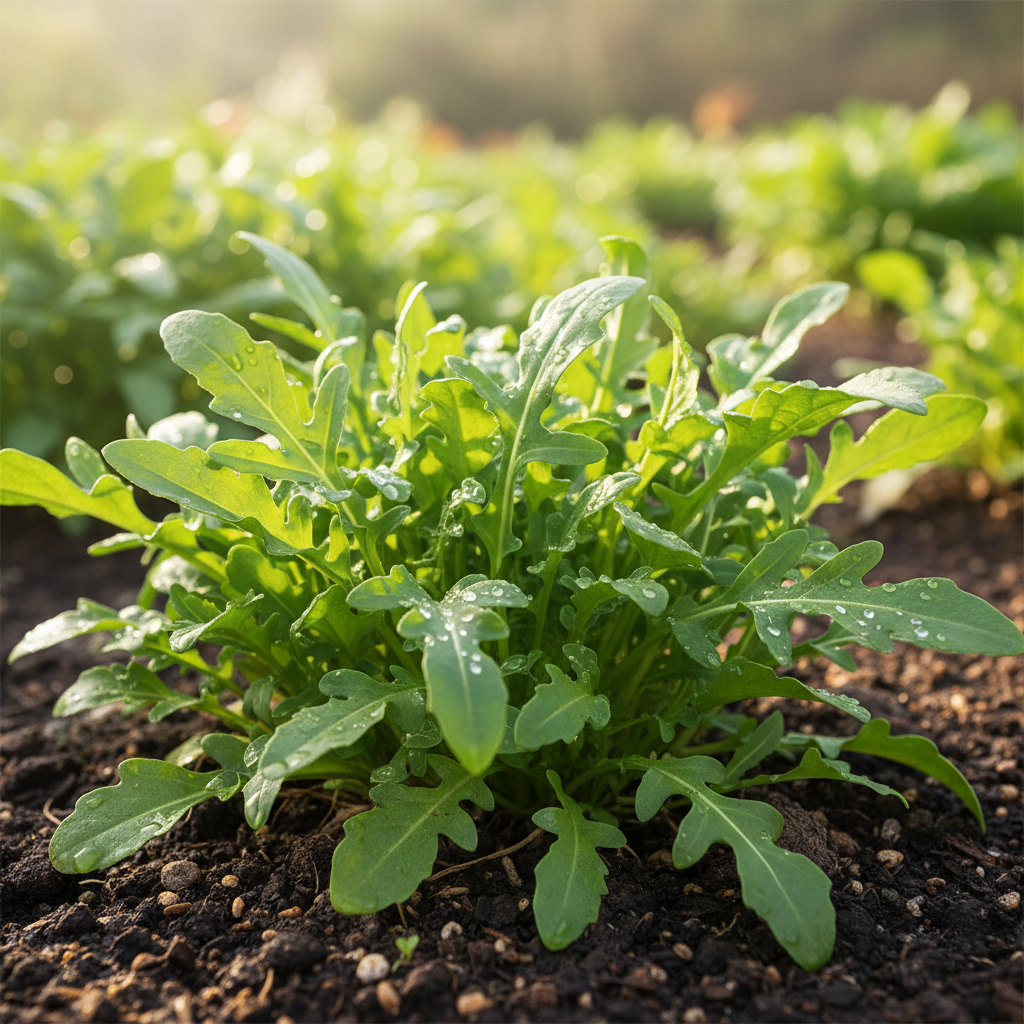
Table of Contents
- What Is Arugula?
- Why Grow Arugula? Benefits and Uses
- Types and Varieties of Arugula
- Climate and Growing Conditions
- Soil Preparation
- How to Plant Arugula
- Watering and Moisture Management
- Feeding Your Arugula
- Common Pests and Diseases
- When and How to Harvest
- Managing Bolting
- Growing Arugula in Containers
- Helpful Tips for Better Results
- Expert Advice
- Frequently Asked Questions
- Conclusion
What Is Arugula?
Arugula (Eruca vesicaria subsp. sativa), also known as rocket, roquette, or rucola, is a leafy annual vegetable in the Brassicaceae family — the same plant family that includes cabbage, broccoli, and mustard. It's native to the Mediterranean region and has been cultivated and eaten since at least Roman times.
The leaves are deeply lobed, similar in appearance to oak leaves, and range from bright to dark green depending on the variety and age of the plant. The flavour is its most distinctive quality — peppery, slightly bitter, and nutty, with an intensity that deepens as the plant matures.
Beyond the kitchen, arugula is also a fast-maturing crop that benefits the garden. Its roots help break up compact soil, and like other Brassicas, it can support a healthy garden ecosystem when rotated properly with other crops.
Today, arugula is grown commercially across Europe, North America, the Middle East, and increasingly across Africa and Asia. It has also become a staple of home gardens wherever people grow food — largely because it is one of the most forgiving and productive crops a beginner can start with.
Why Grow Arugula? Benefits and Uses
Before we get into the how, it's worth understanding the why. There are genuinely compelling reasons to grow arugula — for your health, your garden, and your kitchen.
Nutritional Benefits
- Rich in vitamins: Arugula is an excellent source of vitamin K (critical for bone health and blood clotting), vitamin A, vitamin C, and folate.
- High in antioxidants: It contains compounds like beta-carotene, lutein, and zeaxanthin, which help protect cells from oxidative damage.
- Glucosinolates: Like other Brassicas, arugula contains glucosinolates — plant compounds that break down into biologically active substances linked to reduced cancer risk in several studies.
- Low in calories: Arugula is extremely low in calories (about 25 calories per 100g) while delivering a solid range of micronutrients — making it a high-value food by nutrition standards.
- Hydrating: It's about 92% water, contributing to daily fluid intake.
- Contains calcium and magnesium: Important for bone strength and muscle function, and often overlooked in leafy greens beyond kale and spinach.
Garden Benefits
- Fast growth: Ready to harvest in as little as 4 weeks from sowing — one of the fastest-maturing edible plants you can grow.
- Space-efficient: Grows well in small spaces, pots, raised beds, and even window boxes.
- Cool-season crop: Fills the garden calendar in spring and autumn when many other crops can't perform.
- Succession planting: Because it grows so quickly, you can sow new batches every 2 to 3 weeks for a continuous supply of fresh leaves.
- Pollinator support: If any plants are allowed to flower, they attract beneficial insects including bees and small butterflies.
Culinary Uses
- Fresh in salads — the classic use
- On top of pizzas and flatbreads (added after baking)
- Blended into pesto as an alternative to basil
- Stirred into pasta dishes at the last moment
- In sandwiches and wraps
- Wilted quickly into stir-fries or soups
- As a garnish for grilled meats, fish, and eggs
Types and Varieties of Arugula
There are two main types of arugula, and knowing the difference helps you choose what suits you best:
Garden Arugula (Eruca vesicaria subsp. sativa)
This is the most commonly grown type. It has broad, smooth, lobed leaves with a mild-to-moderate peppery flavour. It grows quickly and is best suited to spring and autumn growing. Popular varieties include:
- Astro: A well-known open-pollinated variety, very popular for home and commercial growing. Mild flavour, fast-growing, bolt-resistant.
- Runway: A hybrid variety with good uniformity and vigour. Slightly more heat-tolerant than older varieties.
- Surrey: A reliable, widely available variety known for good bolt resistance and consistent leaf quality.
- Apollo: Slow to bolt, making it a good choice for areas with warm springs. Produces large, tender leaves.
Wild Arugula (Diplotaxis tenuifolia)
Wild arugula (also called perennial rocket or wall rocket) has narrower, more deeply cut leaves and a noticeably stronger, more peppery and bitter flavour. Unlike garden arugula, it's a perennial in mild climates — meaning it comes back year after year from the same root. It's slower-growing but more heat and drought-tolerant, making it a good choice for warmer climates or for gardeners who want a more intense flavour.
For beginners, garden arugula — especially 'Astro' or 'Apollo' — is the best starting point. It's easy, reliable, and the flavour is approachable for most palates.
Climate and Growing Conditions
Arugula is a cool-season crop. That's probably its single most important characteristic to understand. It thrives when temperatures are moderate and struggles when things heat up.
- Ideal temperature range: 10°C to 20°C (50°F to 68°F). Growth is best in this range, and the flavour stays mild and pleasant.
- Cold tolerance: Arugula tolerates light frost — down to about -5°C (23°F) — which makes it a great early spring and late autumn crop. A light frost can actually sweeten the flavour slightly.
- Heat sensitivity: When temperatures consistently exceed 27°C (80°F), arugula bolts — meaning it rushes to produce flowers and seeds. The leaves become more bitter and tough. In hot climates, timing your planting to avoid peak summer heat is the key.
- Sunlight: Full sun (6+ hours per day) is ideal in cooler weather. In warmer climates or during warmer months, partial shade (3 to 4 hours of direct sun) helps the plant stay cooler and delays bolting.
- Humidity: Arugula is adaptable to a range of humidity levels. Good air circulation between plants helps prevent fungal problems in humid climates.
When to plant:
- Temperate climates: Sow in early spring (4 to 6 weeks before the last frost date) and again in late summer to early autumn for a second harvest season.
- Tropical and subtropical climates: Grow during the cooler dry season. In most tropical regions, this means sowing from October to February.
- Mediterranean and warm climates: Autumn through early spring is the prime growing window. Summer crops will bolt quickly unless grown in shade.
Soil Preparation
Arugula isn't fussy about soil, but it grows fastest and produces the best leaves in well-prepared ground. Here's what to aim for:
Ideal soil conditions:
- Well-drained but moisture-retentive (not waterlogged, but not bone dry either)
- Rich in organic matter
- pH between 6.0 and 7.0 (slightly acidic to neutral)
- Loose, crumbly texture that roots can easily penetrate
How to prepare your bed:
- Clear the area of weeds and any crop debris from previous plantings.
- Dig or loosen the soil to a depth of about 20 to 30 cm (8 to 12 inches).
- Work in a generous layer of compost or well-rotted manure — about 5 to 8 cm (2 to 3 inches) mixed into the top layer. This improves both soil structure and fertility.
- Rake the surface smooth and level. Arugula seeds are small and need good contact with the soil to germinate well.
- If your soil is very acidic (below pH 6), add a light dusting of garden lime. If it's very alkaline (above pH 7.5), work in sulphur or extra compost to bring it down slightly.
If you're not sure about your soil's pH or nutrient levels, an inexpensive soil test kit — available at most garden centres or through agricultural extension services — can give you useful guidance before you plant.
How to Plant Arugula
Arugula is almost always grown directly from seed, sown straight into the ground where it will grow. It doesn't transplant particularly well because the roots are delicate, and since it grows so fast, starting in trays offers very little advantage.
Direct Sowing — Step by Step
- Prepare your bed as described above — raked smooth and moist but not wet.
- Make shallow furrows (small trenches) about 1 cm (½ inch) deep, spacing the rows about 20 to 25 cm (8 to 10 inches) apart.
- Sow seeds thinly along the furrow — roughly one seed every 2 to 3 cm. Don't worry too much about perfect spacing at this stage; you'll thin later.
- Cover lightly with fine soil or compost — just enough to cover the seeds. Firm gently with the back of your hand or a flat board.
- Water gently with a fine rose watering can or misting attachment — you want the soil moist, not flooded. Strong water pressure can wash seeds away or compact the soil surface.
- Label your rows with the variety name and date of sowing — a small habit that saves a lot of confusion later.
Germination
Arugula germinates quickly — usually within 5 to 7 days in cool to warm conditions, sometimes in as few as 3 days in ideal circumstances. If nothing appears within 10 days, the soil may be too cold, too dry, or the seeds may have been sown too deep.
Thinning
Once seedlings are about 5 cm (2 inches) tall, thin them to about 10 to 15 cm (4 to 6 inches) apart. Crowded plants compete for nutrients and light, producing smaller leaves and bolting earlier. The seedlings you remove are perfectly edible — toss them straight into a salad.
Broadcast Sowing
For a more informal bed or a "cut-and-come-again" patch, you can scatter seeds broadly across the bed rather than in rows, then rake lightly to cover. This works very well for container growing and for maximising leaf production in small spaces. Thin as needed once seedlings establish.
Succession Sowing
This is the most important technique for a continuous harvest. Instead of sowing all your seeds at once, sow a small amount every 2 to 3 weeks. Each batch will be ready to harvest in succession, giving you a steady supply of fresh young leaves rather than a glut followed by a gap.
Watering and Moisture Management
Consistent moisture is important for arugula — particularly during germination and the early growth stages. Dry spells cause stress that triggers premature bolting and produces tough, overly bitter leaves.
- Seedlings and young plants: Keep the soil consistently moist. Check daily and water whenever the top centimetre of soil feels dry to the touch.
- Established plants: Water regularly — roughly every 2 to 3 days in warm, dry conditions, and less frequently when weather is cool and cloudy. Aim to keep the soil evenly moist, not waterlogged.
- Watering technique: Water at the base of the plant rather than overhead when possible. Wet foliage in humid conditions can encourage fungal problems. A drip line or soaker hose works well for arugula beds.
- Mulching: Applying a layer of straw, dried leaves, or fine bark mulch around plants (2 to 3 cm deep) helps retain moisture, moderate soil temperature, and suppress weeds — all of which benefit arugula significantly.
- Avoid overwatering: Soggy soil encourages root rot. If water pools after rain, improve drainage before your next sowing.
Feeding Your Arugula
Arugula is a relatively light feeder, especially when grown in well-prepared soil that started with good compost. Over-fertilising — particularly with high-nitrogen products — can actually cause problems, producing very leafy but weak plants that are more susceptible to pests and disease.
General guidelines:
- Before planting: Work in compost or aged manure. This is usually all arugula needs for a short growing cycle.
- During growth: If leaves look pale or growth is noticeably slow, a light application of a balanced liquid fertiliser (such as a seaweed extract or diluted fish emulsion) every 2 to 3 weeks can help.
- Avoid high-nitrogen fertilisers: Too much nitrogen produces fast, lush growth that is attractive to aphids and tends to be more bitter in flavour. Less is usually more with arugula.
- Organic approach: For gardeners growing organically, compost tea, worm castings, or diluted compost water applied every few weeks is a gentle and effective way to maintain fertility without risk of over-feeding.
Common Pests and Diseases
Arugula has relatively few serious pest problems, but there are a handful of common issues worth knowing about — particularly for new growers.
Pests
- Flea Beetles: The most common arugula pest. These tiny, jumping beetles chew small, round holes in the leaves, giving them a "shothole" appearance. Damage is mostly cosmetic on established plants but can be severe on seedlings.Solutions: Use row covers (fine mesh fabric laid over the bed) from the moment of sowing. This is the single most effective prevention. You can also apply diatomaceous earth around the base of plants, or use yellow sticky traps to monitor populations.
- Aphids: Small, soft insects that cluster on new growth, particularly on the undersides of leaves. They weaken plants by sucking sap and can spread plant viruses.Solutions: A strong jet of water washes most aphids off. Insecticidal soap spray is effective for heavier infestations. Encouraging natural predators like ladybirds (ladybugs) and lacewings by growing companion flowers helps keep populations in check.
- Caterpillars (Cabbage White Butterfly larvae): Since arugula is in the Brassica family, it can attract cabbage white butterflies, whose caterpillars eat the leaves.Solutions: Row covers prevent adults from laying eggs. Hand-pick caterpillars as you spot them. Bacillus thuringiensis (Bt) is an organic biological control that works well for caterpillar management.
- Slugs and Snails: They tend to target seedlings and tender young leaves, particularly in damp conditions.Solutions: Iron phosphate pellets, copper tape barriers around beds, hand-picking at night, or beer traps are all effective approaches.
Diseases
- Downy Mildew: Yellow patches on the upper leaf surface with grey-purple fuzzy growth underneath. Most common in cool, wet, or humid conditions with poor airspace.Solutions: Improve spacing between plants for better airflow. Avoid overhead watering. Remove affected leaves promptly. Choose resistant varieties where available.
- Damping Off: A fungal disease that causes seedlings to collapse at soil level shortly after germination. Usually caused by overwatering or overly wet, cold soil.Solutions: Don't overwater. Sow into well-draining compost or soil mix. Good air circulation helps. Once damping off appears in a batch of seedlings, it cannot be reversed — remove affected plants and ensure the next sowing has better drainage.
- Alternaria Leaf Spot: Brown or black spots on leaves, sometimes with yellow halos. Common in warm, wet conditions.Solutions: Remove and destroy affected leaves. Avoid wetting foliage. Ensure good spacing and drainage. Rotate crops so arugula is not grown in the same spot year after year.
When and How to Harvest
Harvesting arugula is one of the most satisfying parts of growing it — and how you harvest has a big impact on how long the plant keeps producing for you.
When to harvest:
- Baby leaves (the most tender and mildest flavour) are ready when plants are about 10 to 12 cm (4 to 5 inches) tall — usually around 3 to 4 weeks after sowing.
- Mature leaves can be harvested once plants reach 15 to 20 cm (6 to 8 inches). The flavour is more peppery at this stage, which many cooks prefer.
- Harvest in the morning for the best texture and flavour — leaves are most hydrated early in the day.
How to harvest — cut-and-come-again method:
- Use scissors or a sharp knife to cut leaves from the outside of the plant, leaving the central growing point (the crown) intact.
- Cut to about 2 to 3 cm (1 inch) above soil level — not right to the ground.
- The plant will regrow from the centre, giving you multiple harvests from the same sowing.
- A well-managed plant can be harvested 3 to 4 times before it exhausts itself or bolts.
Whole plant harvest: Once a plant shows signs of bolting (a central stalk beginning to rise), harvest the entire plant by cutting at the base. The remaining leaves are still edible, just more pungent.
Storage: Freshly harvested arugula keeps for 3 to 5 days in the refrigerator, stored loosely in a plastic bag or container with a slightly damp paper towel. Wash just before use, not before storing — moisture accelerates deterioration.
Managing Bolting
Bolting is the term used when a plant shifts from vegetative growth to flowering and seed production. For arugula, it's the most common frustration growers face. Once a plant bolts, the leaves become much more bitter and tough, and production winds down rapidly.
What triggers bolting:
- Hot temperatures — the most common trigger
- Long daylight hours (days longer than about 14 hours)
- Water stress (drying out)
- The plant reaching natural maturity
How to delay and manage bolting:
- Time your plantings well: The most effective solution. Avoid growing arugula during the hottest months of the year in your region.
- Provide afternoon shade: In warm climates, a shade cloth (30 to 40% shade) significantly delays bolting and extends the harvest window.
- Keep soil consistently moist: Water stress is a major bolting trigger. Regular watering helps.
- Harvest frequently: Regular harvesting slows the bolting process. The more you pick, the longer the plant focuses on leaf production.
- Choose slow-bolt varieties: Varieties like Apollo and Astro have been selected for bolt resistance. Use them when growing in shoulder seasons.
- Let some bolt on purpose: If you want to save seeds for next season, allow one or two plants to bolt and produce seed pods. The small white flowers are also edible and make a beautiful salad garnish with a peppery bite.
Growing Arugula in Containers
Arugula is one of the best crops for container growing. Its shallow root system, fast growth, and small footprint make it ideal for pots, window boxes, balcony planters, and grow bags.
Container requirements:
- Size: At least 15 to 20 cm (6 to 8 inches) deep and as wide as practical. A window box 60 cm long can easily support 3 to 4 plants.
- Drainage: Ensure your container has drainage holes. Sitting in waterlogged compost will kill arugula quickly.
- Growing medium: Use a good quality potting mix combined with some garden compost. Avoid using garden soil alone in containers — it tends to compact and drain poorly.
Container care tips:
- Containers dry out faster than garden beds — check moisture daily in warm weather.
- Feed with a diluted liquid fertiliser every 2 to 3 weeks, as nutrients in container compost deplete faster.
- Move containers to shadier spots during hot weather to extend the harvest window.
- For indoor growing on a sunny windowsill, a south-facing window (in the northern hemisphere) or north-facing (in the southern hemisphere) works well. Supplement with a grow light in winter if daylight hours are very short.
Helpful Tips for Better Results
- Sow little and often: Rather than sowing a large batch all at once, sow small amounts every 2 to 3 weeks. This gives you a continuous supply and prevents waste. Succession sowing is the single best habit any arugula grower can develop.
- Don't neglect thinning: Crowded plants bolt faster, produce smaller leaves, and are more prone to disease. Take the time to thin properly — your harvest will be noticeably better for it.
- Use row covers: A simple piece of insect-proof mesh laid over your bed from day one is the most cost-effective way to prevent flea beetle damage, which is the number one arugula pest complaint among home growers.
- Harvest in the morning: Leaves are at their most hydrated and flavourful early in the day. An evening harvest tends to produce wilted leaves more quickly.
- Eat it fresh: Arugula is at its best eaten within a day or two of harvest. The flavour and texture deteriorate faster than heartier greens like kale or Swiss chard.
- Don't over-fertilise: A modest amount of compost at planting is all most arugula crops need. More fertiliser does not mean more or better leaves — it often means more pests and a stronger, less pleasant bitterness.
- Save seeds: Allow one or two plants to fully flower and set seed each season. When the seed pods turn brown and papery, cut the whole stem and dry it upside-down over a paper bag to catch the seeds. Store dry seeds in an envelope in a cool, dark place — they remain viable for 3 to 5 years.
- Rotate your crops: Don't grow arugula or other Brassicas in the same spot year after year. Crop rotation reduces the build-up of soil-borne pests and diseases specific to the Brassica family.
Expert Advice
Growing arugula well comes down to understanding a few key principles, and experienced horticulturists consistently point to the same ones:
Timing is everything. The most common mistake new arugula growers make is planting at the wrong time of year — usually in the middle of summer when heat is at its peak. Arugula is not a summer crop in most climates. It performs best in the cool margins of the year: early spring, late summer, and autumn. If your planting window is limited, prioritise timing over everything else.
Succession sowing separates good growers from great ones. Experienced kitchen gardeners rarely sow a full packet of arugula at once. Small, regular sowings — even just a short row every few weeks — produce a far more reliable and enjoyable harvest than one large planting that all matures and bolts simultaneously.
The Royal Horticultural Society (RHS) recommends sowing arugula from March through September in temperate climates, with shading during the hottest weeks to extend the season. They highlight row covers as essential for flea beetle control, particularly in early spring when flea beetle activity is highest.
The UC Davis Cooperative Extension, which has produced extensive research on salad crop production, emphasises that arugula grown in organically rich soil with moderate nitrogen levels consistently produces better flavour than those grown with heavy synthetic fertilisation. The distinctive peppery taste that makes arugula valuable comes in part from glucosinolate compounds that are actually more concentrated in plants that aren't over-fed.
For those interested in the nutritional science, the USDA FoodData Central database confirms arugula's impressive nutritional profile — particularly its high vitamin K content (over 100% of daily recommended intake per 100g), making it one of the most nutrient-dense salad greens available.
Grow what you'll eat. This sounds obvious, but arugula has a bold, assertive flavour that not everyone loves in large quantities. If you're new to it, start with baby leaves (which are milder) and a small patch. Expand once you know how much you'll realistically use.
Frequently Asked Questions
Conclusion
Few crops offer the combination of speed, nutrition, flavour, and sheer simplicity that arugula does. From a tiny seed in cool, prepared soil to a plate of fresh, peppery greens — the turnaround is measured in weeks, not months. That's a rare and genuinely satisfying thing in any garden.
The most important lessons to carry away from this guide are simple: grow it in cool weather, sow regularly rather than all at once, keep the soil moist, and harvest often. Do those things consistently and arugula will rarely let you down.
Whether you're planting your very first garden bed, managing a busy kitchen garden, or squeezing something edible onto a balcony in a small apartment — arugula belongs on your list. It earns its place every time.
Start small if you're new to it. A single short row, a window box, or even a single pot. Once you've tasted your own freshly cut arugula on a pizza or folded into warm pasta, you'll understand why so many gardeners grow it again and again, year after year.
Happy growing — and enjoy every peppery bite.
Have a question about growing arugula that we didn't cover here? Drop it in the comments below — we'd love to hear from you. At Agricpedia, every question helps us write better guides for growers everywhere.